
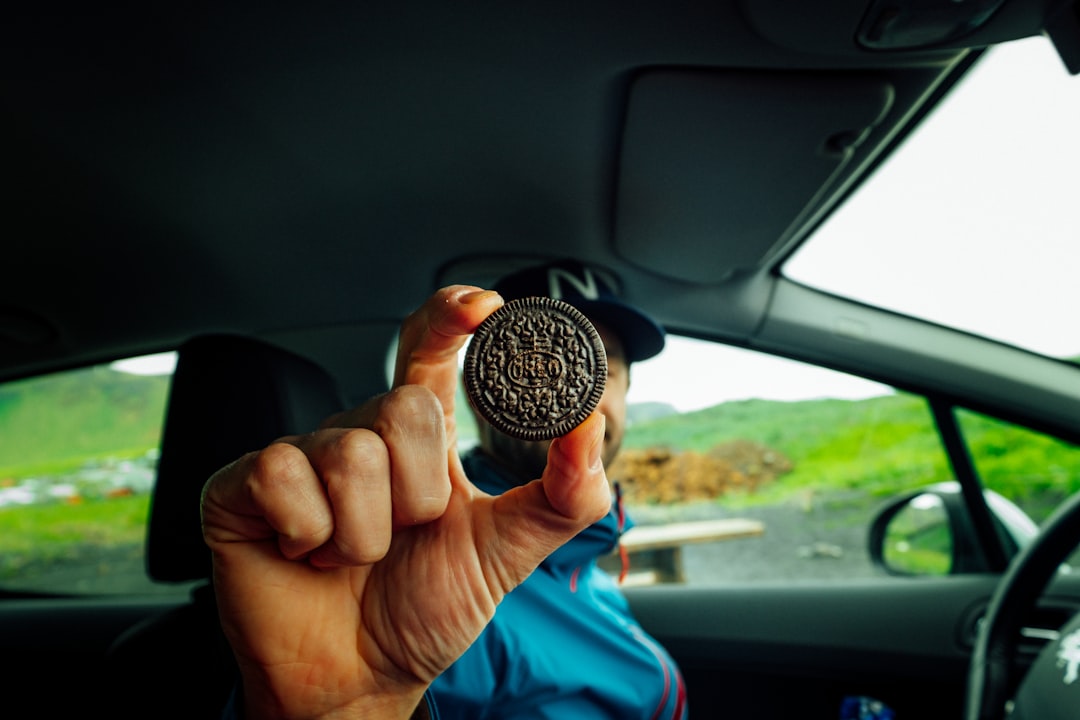
Preparing for a marathon car ride? These tested strategies will keep you comfortable, entertained, and safe for every mile ahead.
Pack a Smart Survival Kit for the Car
A compact kit prevents last-minute scavenging when you hit a long stretch of highway. Include water bottles, a first aid pack, wet wipes, a flashlight, and a small multi-tool so you can handle minor issues without a tow stop.
Add a few comfort items, such as a lightweight blanket, travel pillow, and a pair of fresh socks to revive tired feet. Store the kit within easy reach so the driver or front passenger can grab what they need without stopping the car.
Pro Tip: Keep items in labeled pouches so kids or co-passengers can find snacks, medicine, or tech chargers quickly without opening the whole kit.
Optimize Seating and Posture for Comfort
Uncomfortable seats magnify every mile, so adjust the driver and passenger seats before you set off. Raise or lower seat height, angle the backrest for lumbar support, and position mirrors to reduce neck strain while keeping safe sightlines.
Bring small lumbar pillows or rolled towels to support the lower back, and use seat cushions if factory seats are too firm. Taking a quick stretch every hour helps circulation and prevents stiff shoulders and hips during extended drives.
Quick Tip: Set a timer on your phone for hourly micro-breaks, stretch in the parking lot, and rehydrate before you climb back in.
Plan Food and Hydration, Not Just Snacks
Pack balanced snacks that combine protein, carbs, and healthy fats to avoid energy crashes, such as nuts with fruit or whole grain wraps with lean protein. Avoid greasy fast food before long driving stints, because sluggish digestion can lead to fatigue behind the wheel.
Keep water accessible in multiple easy-to-reach bottles, and limit caffeine to controlled boosts rather than continuous sipping. If you plan hot meals, a high-quality insulated thermos and a cooler with ice packs maintain safe temperatures for perishable items.
Expert Insight: Portion snacks into individual bags or containers to discourage overeating and make it quick to hand food to passengers without stopping the car.
Schedule Stops Strategically, Not Randomly
Map rest stops, gas stations, and scenic pull-offs before you leave, plotting breaks every 90 to 120 minutes for fuel and stretching. Breaking the drive into predictable chunks helps maintain focus and avoids the stress of searching for a restroom at the wrong time.
When possible, plan stops near parks or safe walking areas so everyone can move and breathe fresh air during a break. If driving overnight, aim for well-lit, busy stops to feel secure and to reset alertness with a short walk or quick snack.
Insider Tip: Use apps that list rest-stop amenities such as clean bathrooms, picnic areas, or pet-friendly spaces so your scheduled breaks actually refresh everyone.
Build a Multi-Layer Entertainment Strategy
Relying on one source of entertainment usually fails after several hours, so combine playlists, podcasts, audiobooks, and car games to rotate interest. Create themed playlists or download podcasts ahead of time to avoid streaming interruptions in low-signal areas.
For families, pack activity kits with coloring books, travel games, and a roster of interactive challenges or trivia to keep kids engaged without screen overuse. Encourage conversation with planned topics or storytelling rounds to make miles pass faster and to bond during the trip.
Heads Up: Download entertainment offline, and bring spare batteries or power banks for devices so you avoid silence when a device dies at a key moment.
Manage Motion Sickness with Practical Steps
If passengers suffer motion sickness, seating choice and view orientation matter: sit in the front or choose a center-facing seat where possible, and keep eyes on the horizon to reduce sensory conflict. Fresh air and light snacks, such as crackers, can stabilize the stomach before symptoms escalate.
Pack over-the-counter remedies and natural alternatives like ginger candies, and use acupressure bands if they help the person in your party. If symptoms start, stop at a safe location for a short walk and hydration rather than pushing through discomfort that could ruin the trip.
Worth Knowing: Try small test doses of any medication before the trip to confirm effectiveness and to avoid unexpected side effects while on the road.
Keep Kids Occupied with Rotating Activities
For family trips, a rotation schedule prevents boredom: alternate trained screen time, quiet activities, and interactive games every 30 to 45 minutes. Create a travel box with one surprise activity per hour to keep anticipation high and meltdowns low.
Include simple organizational tools like sticker charts or small rewards for milestones to encourage cooperative behavior, and designate a passenger as the “activity coordinator” so someone manages transitions without distracting the driver. Clear rules about device volume and shared materials help maintain a calm cabin atmosphere.
Pro Tip: Prepare a small binder with laminated activity cards, washable markers, and a clipboard to make creative tasks easy and tidy while the car moves.
Perform a Pre-Trip Vehicle Health Check
Simple checks before you leave prevent roadside delays, so inspect tires, fluid levels, lights, and the spare tire, and verify that windshield wipers and the defroster work properly. Confirm your insurance and roadside assistance information is accessible in case you need it away from home.
Pack essential car items such as jumper cables, a compact air compressor, and reflective triangles for emergencies. If your route includes mountain passes or remote stretches, consider an extra fuel canister and a physical map in case digital navigation fails.
Quick Tip: Take photos of your dashboard warning lights and vehicle condition before you depart so a mechanic can diagnose problems faster if issues appear en route.
Use Sleep Strategies Without Sacrificing Safety
When you or a passenger need rest, plan for proper hotel stays or designated driver swaps so the person behind the wheel is always alert. If you must nap during daytime stops, use short naps of 20 to 30 minutes to recharge without entering deep sleep that leaves you groggy.
For night driving stretches, use caffeinated beverages strategically and combine them with a 20 minute nap at a safe rest area when drowsiness hits. Rotate drivers on long trips and set clear expectations so no one feels forced to drive while tired.
Expert Insight: Test your sleep strategy on shorter drives to learn how caffeine, naps, and breaks affect your alertness profile before committing to them on a long trip.
Stay Charged and Connected the Smart Way
Avoid being stranded with dead devices by packing multiple charging options, such as USB-C cables, a car charger with several ports, and at least one high-capacity power bank. Keep devices in airplane mode when not needed to conserve battery life and download maps for offline use.
Share a charging schedule for the front and back seats so critical devices like the driver’s phone or GPS remain powered. If you rely on a smartwatch or portable hotspot, include those chargers and test every cable before you leave.
Insider Tip: Label chargers and cords so everyone returns the right cable to the right device and you avoid hunting for the right connector mid-journey.
Smart Stops for Stretching, Sightseeing, and Energy
Not every break needs to be functional, some are morale boosters, so pick a few scenic overlooks or quirky local stops to break monotony and create memories. Short hikes, a quick local coffee stop, or a public art walk can reset moods and improve focus for the next driving block.
Balance speed with enjoyment by pre-selecting a few must-see stops and flexible “if-time permits” extras so your schedule stays realistic. Use those longer stops to change drivers if needed, and to address minor laundry, cleanup, or wardrobe changes that make the trip more comfortable.
Heads Up: Check parking and restroom availability at chosen stops so you do not waste time at places that cannot accommodate a quick group visit.
Wrap-Up for the Road: Ready, Relaxed, and Resourceful
Long drives go better when you plan gear, breaks, entertainment, and vehicle checks before you leave, and when everyone knows basic rules and expectations. Use the tips above to design a trip that keeps comfort, safety, and fun in balance so miles pass without drama.
Which of these strategies will you try on your next long car ride, and what’s one trick you always pack that we did not mention?